

Last reviewed: September 2026
Why Jewelry Unboxing Carries More Weight Than Almost Any Other Category
Jewelry occupies a strange place in the unboxing conversation: the product itself is often tiny, sometimes smaller than the box it ships in, which means the packaging does an outsized share of the emotional work most other categories split between product and presentation. A customer opening a jewelry box is usually opening a gift, a self-purchase treat, or a piece with real sentimental weight attached, and the packaging either matches that moment or falls flat against it. Small jewelry brands competing against established names often win or lose that first impression on packaging alone, before the piece itself is even fully visible.
In this article:
- Why jewelry packaging carries emotional weight
- Structural choices that shape the unboxing moment
- Inserts that protect and present at the same time
- Finish choices that photograph well for social sharing
- Designing for repeat unboxing in subscription models
- Matching packaging investment to price point

What Sets Jewelry Packaging Apart From Other Small-Item Categories
Plenty of product categories ship small items, but jewelry carries a combination of factors that make packaging especially consequential: high perceived value relative to physical size, frequent gifting occasions, fragility that demands real structural care, and a strong social-sharing culture around the unboxing moment itself. Few other categories stack all four of these factors at once, which is why jewelry brands that treat packaging as a minor afterthought tend to underperform brands that recognize how much weight the box itself is carrying in the overall purchase experience.
This combination also means jewelry packaging decisions rarely translate cleanly from other categories. A structural or finish choice that works well for, say, cosmetics or apparel doesn’t automatically carry the same emotional resonance in a jewelry context, so it’s worth evaluating packaging choices specifically against what jewelry customers actually respond to rather than borrowing wholesale from an unrelated category’s playbook.
Why Jewelry Packaging Carries Emotional Weight
A significant share of jewelry purchases are gifts or self-treat moments rather than routine replenishment purchases, which means the unboxing itself often is the emotional peak of the transaction, not a formality on the way to using the product. That changes the design calculus: packaging doesn’t just need to protect a fragile item, it needs to build anticipation through the opening sequence itself, whether that’s a lid lift, a drawer slide, or a ribbon pull. Brands that treat jewelry packaging as pure protective structure, rather than part of the emotional experience, consistently underperform brands that design the opening moment deliberately.
Structural Choices That Shape the Unboxing Moment
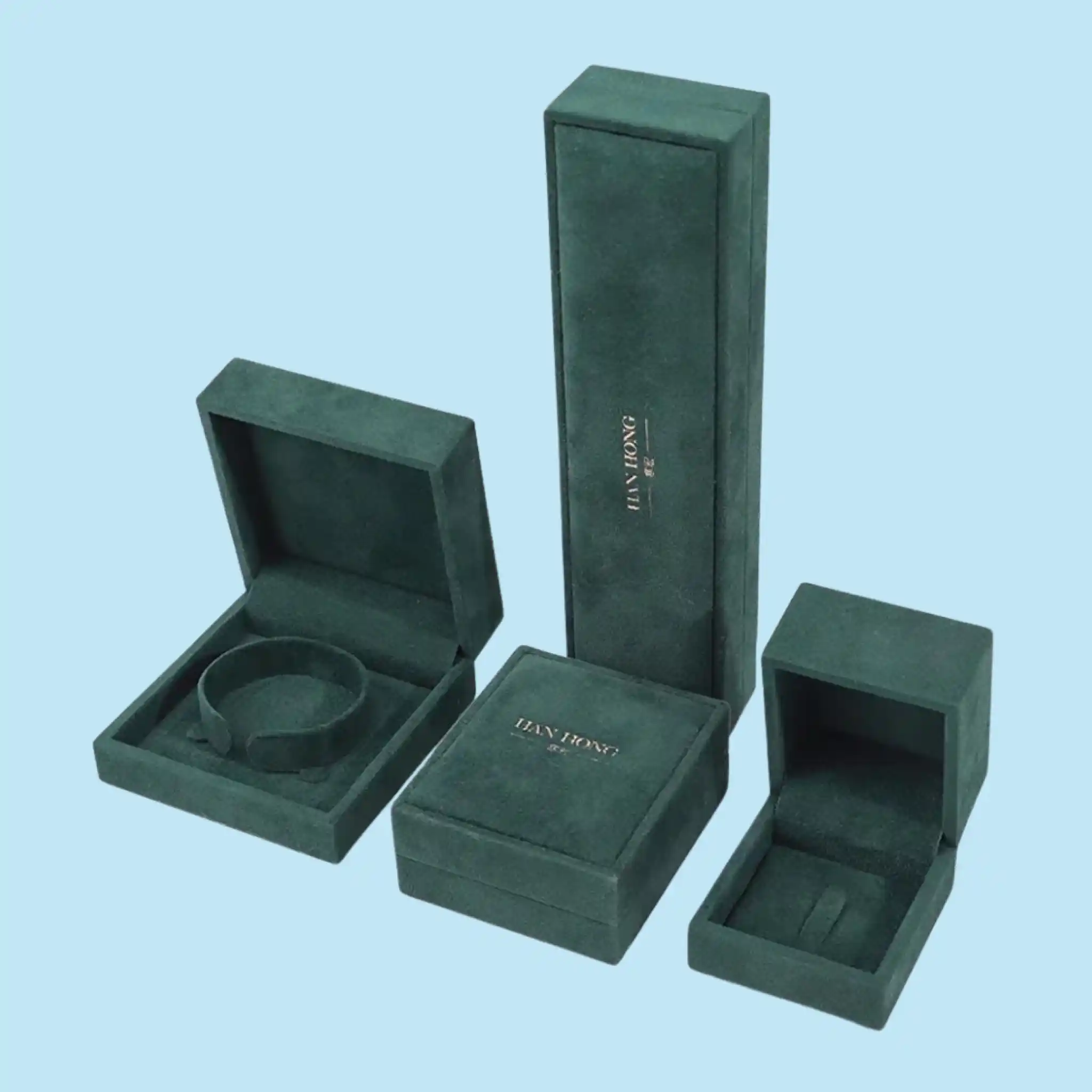
The structural format you choose directly shapes how the unboxing feels. A classic hinged lid box gives a quick, familiar reveal that suits everyday and mid-price pieces well, while a custom jewelry rigid box with a magnetic or friction-fit lid slows the moment down slightly, adding a small pause that reads as more deliberate and premium. Drawer-style boxes, where the piece slides out on an inner tray, create the slowest and most theatrical reveal of the common formats, which tends to suit higher-price, gift-oriented pieces best.
| Format | Reveal Pace | Best Suited For |
|---|---|---|
| Hinged lid box | Quick, familiar | Everyday and mid-price pieces |
| Rigid lid-and-base box | Deliberate, slightly slower | Premium single-piece gifting |
| Drawer-style slide box | Slow, theatrical | High-price, occasion-driven pieces |
| Book-style fold box | Narrative, sequential | Brand storytelling, limited editions |

Inserts That Protect and Present at the Same Time
A jewelry insert has to do two jobs simultaneously: hold a small, often delicate piece completely still in transit, and present it attractively the instant the box opens. Foam inserts wrapped in fabric or velour-textured paper are the most common approach for necklaces and bracelets, since the material both cushions the piece and provides a soft, tactile backdrop that photographs well. A custom necklace box in particular benefits from a contoured insert shaped to the piece’s natural drape, rather than a flat cavity, since chain jewelry that’s allowed to lie naturally photographs and displays far better than jewelry pressed flat against a generic slot.
Getting the insert fit exactly right matters more here than in almost any other packaging category, since a piece that shifts even slightly can tangle a chain or scratch a finish, turning a premium unboxing moment into a minor disappointment.
Finish Choices That Photograph Well for Social Sharing
Jewelry unboxing content performs unusually well on social platforms, which makes finish choices worth thinking about specifically for how they read on camera, not just in person. Matte black or deep jewel-tone boxes with a single foil accent tend to photograph with strong contrast and read clearly even in a quick video clip, while pure white or very light boxes can wash out under typical phone camera lighting. Luxury jewelry boxes built with a textured wrap or soft-touch lamination also add a tactile quality that, while not directly visible on camera, tends to show up in how customers describe the unboxing in captions and reviews, which still drives discovery even when the texture itself isn’t literally seen.
Designing for Repeat Unboxing in Subscription Models
Jewelry subscription and jewelry-of-the-month models create a different design challenge: the unboxing needs to feel special every single time, not just on a customer’s first order, since repeat unboxing fatigue is a real reason subscribers churn. Jewelry subscription boxes tend to hold attention longer when the outer box stays visually consistent, building brand recognition over time, while small details inside, like insert color or an included card, rotate to keep each delivery feeling distinct rather than identical to the last.
This balance, consistent outer identity with a little inner variation, is one of the more effective ways we’ve seen subscription jewelry brands keep the unboxing moment feeling fresh without redesigning their core packaging every single month.
Matching Packaging Investment to Price Point
Not every jewelry SKU needs the full rigid-box, foil-accented treatment, and matching packaging tier to price point keeps margins healthy without shortchanging the unboxing experience where it matters most. A custom jewelry box line built across two or three tiers, a clean folding carton for entry-price pieces and a rigid or drawer-style box reserved for premium or gift-tier SKUs, lets a brand deliver the right unboxing weight at every price point without overspending across the whole catalog.
Getting this segmentation right early saves a brand from either underwhelming a premium customer with entry-tier packaging or overspending on packaging for a lower-margin SKU that can’t absorb the cost.
Small Details That Extend the Moment
Beyond structure and insert, a handful of small additions meaningfully extend the unboxing moment without adding much cost: a printed care card explaining how to store or clean the piece, a small ribbon pull that adds one more tactile step before the reveal, or a subtle branded pattern printed on the interior lid that only becomes visible once the box opens. None of these elements are expensive individually, but together they turn a functional opening into a small, considered sequence rather than a single instant reveal.
These details also tend to be exactly what shows up in unboxing photos and videos, since they’re the parts of the experience a customer wants to show off. Investing a small amount here often returns more in organic social visibility than the same budget spent on a more expensive base material would.
Testing the Unboxing Before You Commit
It’s worth physically testing your packaging’s opening sequence with a real piece before finalizing a production order, ideally with someone unfamiliar with the design giving genuine first reactions. Small friction points, a lid that’s slightly too tight, an insert that requires two hands to remove the piece cleanly, are easy to miss when you’ve handled the same sample dozens of times during development but stand out immediately to a first-time opener. Catching these issues before a full production run saves both cost and the risk of shipping a customer experience that undercuts the piece itself.
If your jewelry packaging hasn’t been reviewed for how it actually feels to open, not just how it looks in a product photo, our design team can walk through structural and insert options built around your specific pieces and price points. Order Now or email sales@primecustompackaging.com or call +1 (855) 611-8876 for a free quote today.