


Last reviewed: September 2026
Why Mailer Box Size Is the Decision Most Brands Get Wrong First
Choosing a mailer box size feels like a small decision until it’s multiplied across every order a brand ships, and that’s exactly where most small businesses lose money without noticing. A box that’s an inch too big on each side doesn’t just cost more in material, it drives up dimensional weight shipping charges, invites more product movement in transit, and often needs extra filler to keep contents from shifting. Getting the size right the first time saves money on all three fronts at once, which is why we walk almost every new mailer client through the same sizing process before a single die-line gets drawn.
In this article:
- Start with your product, not a standard size chart
- Building a size-tier system instead of one box
- Sizing for single-item e-commerce shipments
- Sizing for subscription and recurring boxes
- When to add inserts instead of upsizing
- Marketplace-specific sizing considerations
- Common mailer sizing mistakes
- Getting your sizes confirmed before you order
How Mailer Box Sizing Fits Into Your Broader Shipping Strategy
Box size doesn’t exist in isolation from the rest of your shipping decisions, and it’s worth thinking about sizing alongside your carrier mix, packaging materials, and fulfillment process rather than as a standalone choice. A box sized well for one carrier’s rate structure isn’t automatically optimal for another, since dimensional weight divisors and thresholds differ between USPS, UPS, and FedEx. Brands using multiple carriers, which is increasingly common as businesses shop rates across services, benefit from sizing boxes around whichever carrier they use most for a given order type, rather than assuming one universal size works equally well everywhere.
This is also where working with a packaging partner who understands shipping economics, not just box construction, pays off. A supplier who can talk through how a given size performs across your actual carrier mix helps you avoid a box that looks efficient on paper but underperforms once real shipping costs are factored in.
Start With Your Product, Not a Standard Size Chart
The instinct to reach for a generic small, medium, or large mailer size chart is understandable, but it skips the step that actually determines a good fit: measuring your real product, including its retail packaging, at its largest dimension in every direction. A skincare bottle with a pump top, a folded apparel item, or a stack of printed materials all compress or expand differently than their resting shape suggests, so measure the product the way it will actually sit inside the box, not just its label dimensions. This single step prevents the most common sizing mistake we see, which is ordering a box based on a product spec sheet that doesn’t account for how the item actually packs.
Once you have real dimensions, add a small, deliberate tolerance, usually a quarter inch to a half inch per side depending on whether the product needs cushioning or a snug structural fit. That tolerance should be a conscious design choice, not a rounding habit, since every extra fraction of an inch compounds across dimensional weight shipping calculations.
Building a Size-Tier System Instead of One Box
Very few product catalogs are uniform enough to run on a single mailer size without either underserving the smallest items or overpaying to ship the largest ones. A size-tier system, usually two to four distinct box sizes covering your actual product range, almost always beats both extremes. Group products by their footprint rather than by product category, since two very different items can share nearly identical dimensions and therefore the same box.
| Tier | Typical Dimensions | Best For |
|---|---|---|
| Small | 6″ x 4″ x 2″ | Single small items: jewelry, cosmetics, small electronics |
| Medium | 10″ x 8″ x 4″ | Multi-item orders, apparel, mid-size gift sets |
| Large | 14″ x 10″ x 6″ | Bundles, larger apparel, multi-unit subscription boxes |
| Custom/Oversized | Product-specific | Irregular shapes, fragile items needing structural inserts |
Fewer, well-chosen sizes also tend to produce better per-unit pricing on the box order itself, since production runs more efficiently across fewer distinct die-lines than it does across a size for every single SKU.
Sizing for Single-Item E-Commerce Shipments
Direct-to-consumer sellers shipping one product per order benefit most from a tight, product-specific fit, since this is the shipment type where dimensional weight pricing hits hardest relative to the product’s actual value. A well-sized custom shipping box for a single-item order should hold the product firmly enough that it doesn’t shift, without so much extra room that the box calculates heavier than the product actually weighs. Brands running a narrow product line can usually standardize on one or two sizes here without much compromise, while a wider catalog benefits from the tiered approach above.
Sizing for Subscription and Recurring Boxes
Subscription boxes carry a different sizing challenge, since the contents often vary slightly month to month even when the box itself stays the same. The right approach is sizing around your largest reasonably expected monthly contents, not the average, and using inserts or dividers to take up slack in lighter months rather than resizing the outer box every cycle. A custom subscription mailer box built this way keeps your unboxing experience consistent for subscribers while giving your fulfillment team one predictable box to work with regardless of what’s inside that month.
Because subscription shipments repeat monthly across an entire subscriber base, a box that’s even slightly oversized becomes an ongoing cost rather than a one-time inefficiency. It’s worth revisiting subscription box sizing more often than a standard product line, since content mix tends to drift as a subscription program adds new items or partners over time.
When to Add Inserts Instead of Upsizing
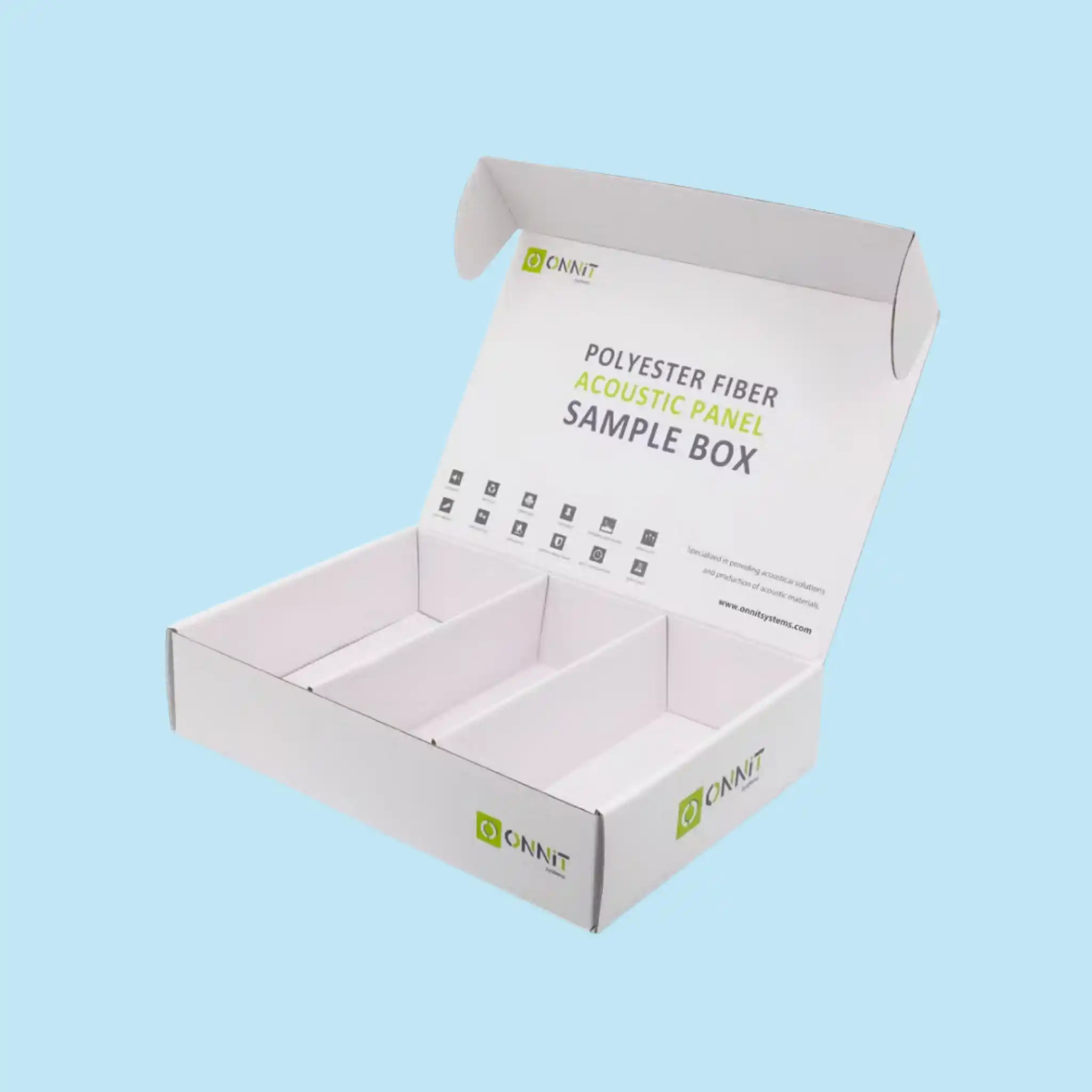
A common instinct when a product doesn’t quite fit a standard size is to move up to the next box size rather than solving the fit with an insert, but that trade usually costs more than it saves. Mailer boxes with inserts let you keep a tighter outer footprint while still giving fragile, multi-piece, or irregularly shaped products the structural support they need, which protects the dimensional weight savings that a properly sized outer box provides.
Inserts are particularly worth considering for gift sets, beauty bundles, and anything shipping multiple SKUs in one box, since a divided insert keeps items from shifting into each other without requiring a larger overall box just to create separation.
Marketplace-Specific Sizing Considerations
Selling through Amazon or a similar marketplace adds a layer most direct-to-consumer sellers don’t have to think about, since marketplace packaging requirements sometimes call for extra clearance or specific labeling space that a standard product-fit box doesn’t account for. A properly specced custom Amazon box can usually satisfy those requirements while staying tight enough to avoid unnecessary shipping penalties, but it’s worth confirming your marketplace’s current packaging guidelines before finalizing a size, since those requirements do shift periodically.
Common Mailer Sizing Mistakes
The most frequent mistake is sizing a box around a product’s original manufacturer packaging rather than how it will actually sit in your mailer, which often leaves more slack than intended. A second common issue is choosing round, easy-to-remember dimensions instead of the size that actually fits the product, which feels simpler at order time but quietly overpays on every shipment. Brands also sometimes lock in a size early and never revisit it as their product line evolves, even though a catalog that’s grown or shifted in the last year almost always benefits from a fresh look at its box tiers.
Getting Your Sizes Confirmed Before You Order
It’s also worth revisiting sizes whenever a supplier relationship or product formulation changes, since a new bottle shape, a reformulated product, or a switched component supplier can quietly change your product’s real dimensions without anyone flagging it as a packaging decision. Building a habit of checking product dimensions against box specs at each significant product change, not just at initial launch, keeps your sizing accurate over time instead of slowly drifting out of alignment.
The safest way to finalize a mailer size is to request a sample or digital proof at the exact dimensions you’re considering and test it against your real product before committing to a full production run. A packaging partner who offers free proofs and can walk through tier options with you removes most of the guesswork, and it’s far cheaper to adjust a size at the proof stage than after a few thousand units have already been printed and folded.
How Box Size Interacts With Branding and Unboxing
Size isn’t purely a logistics decision; it shapes the unboxing experience too. A box with too much internal room can make a product feel smaller or less premium than it actually is, since customers unconsciously read excess space as a sign the product doesn’t quite fill its packaging. A snugly sized box, by contrast, tends to read as more considered and higher quality, even when the product inside is identical. This is one more reason sizing deserves more attention than it usually gets: getting it right improves both your shipping economics and the customer’s actual unboxing impression at the same time.
Brands designing interior branding elements, like a printed thank-you card or tissue paper, should size those elements around the confirmed box dimensions too, rather than a generic insert that may not fit cleanly once the outer box is finalized. Coordinating these details early avoids a last-minute scramble when an interior element doesn’t quite match the box it’s supposed to go inside.
Seasonal and Promotional Sizing Considerations
Brands running seasonal bundles, limited editions, or promotional multi-item sets often need a size outside their standard tier system, and it’s worth planning for that in advance rather than improvising a size during a busy promotional period. A good practice is identifying your likely seasonal or bundle formats ahead of your peak selling period and getting those sizes proofed and ready to order well before you actually need them, since packaging lead times don’t shrink just because a promotional deadline is approaching.
Keeping a small library of pre-approved promotional sizes, alongside your standard tier system, gives a brand the flexibility to run a limited bundle without either delaying the promotion or scrambling through a rushed packaging order.
If your current mailer boxes haven’t been reviewed against your actual product lineup recently, there’s a good chance a resize would save more than you’d expect on both materials and shipping. Order Now or email sales@primecustompackaging.com or call +1 (855) 611-8876 for a free quote today.