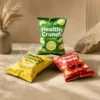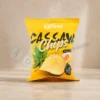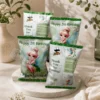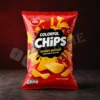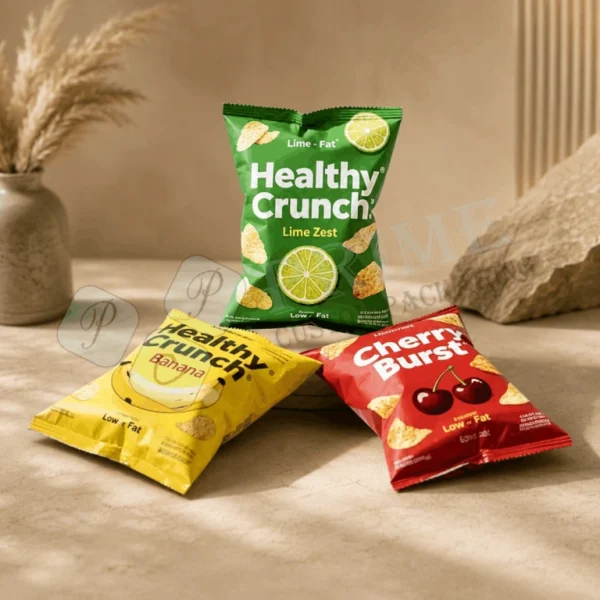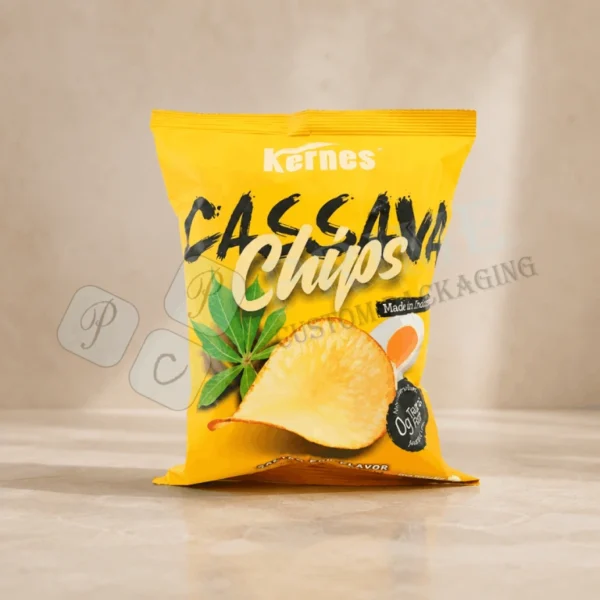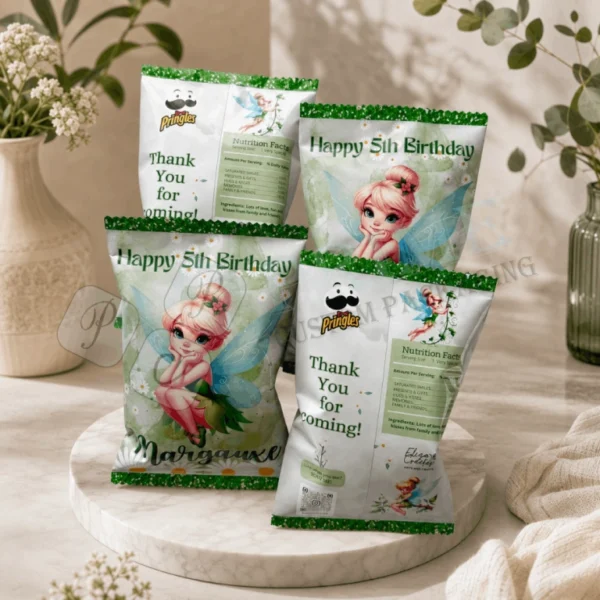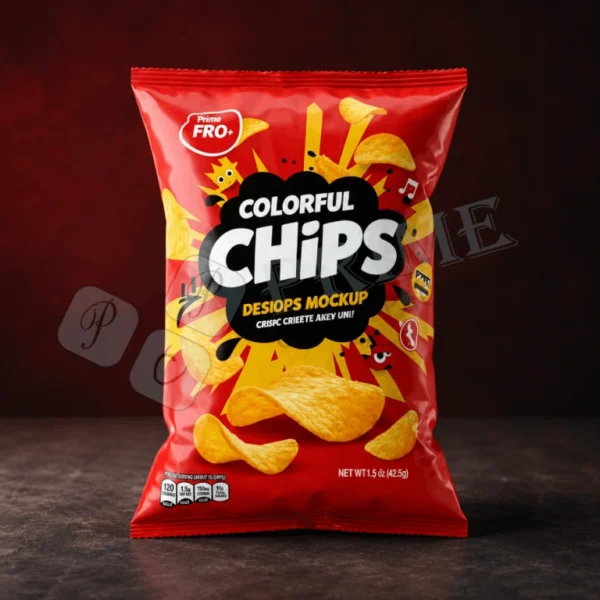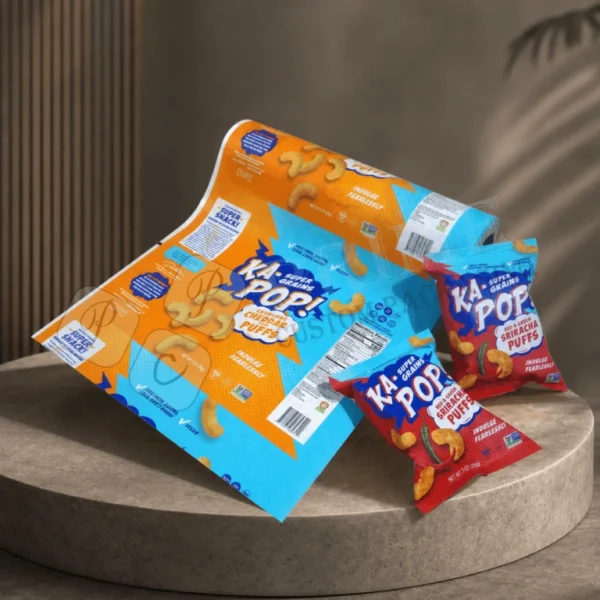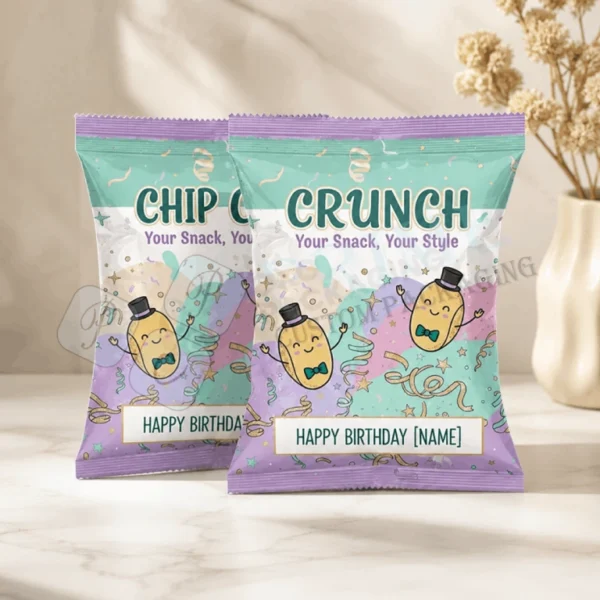
Custom chip bags are flexible snack packages made for potato chips, tortilla chips, kettle chips, corn chips, veggie chips, plantain chips, popped snacks, event favors, café sides, school snacks, food kits, bakery snack bundles, retail snack brands, and wholesale food programs. Prime Custom Packaging can customize chip bag sizes, film structures, barrier layers, heat seals, tear notches, gussets, clear windows, matte or gloss finishes, metallic effects, flavor panels, nutrition areas, barcode space, display boxes, multipack cartons, and bulk packaging for individual servings, family-size bags, personalized chips, and wholesale snack distribution.


| Box Style | Custom Chip Bags |
| Dimension (L + W + H) | All Custom Sizes & Shapes |
| Quantities | No Minimum Order Required |
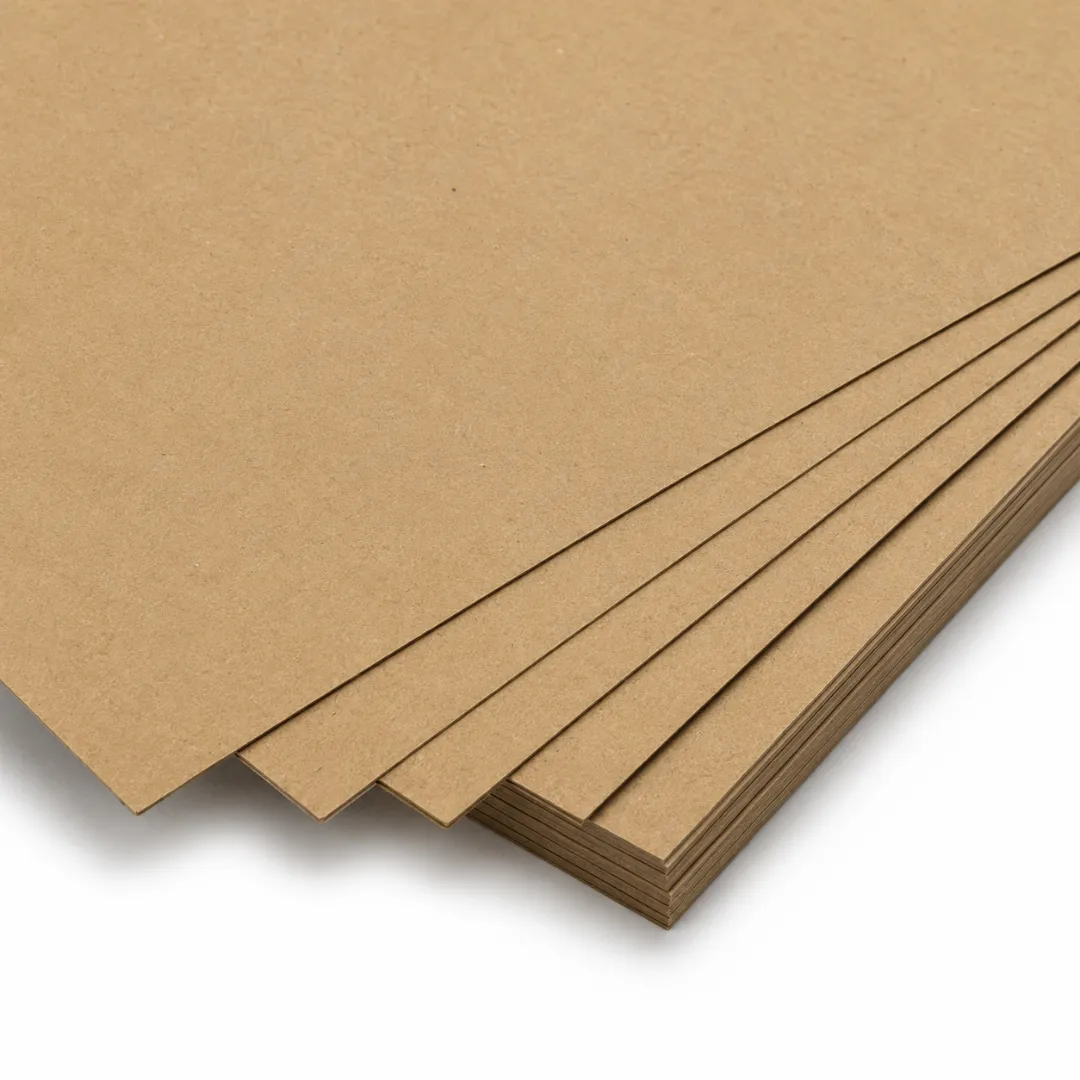
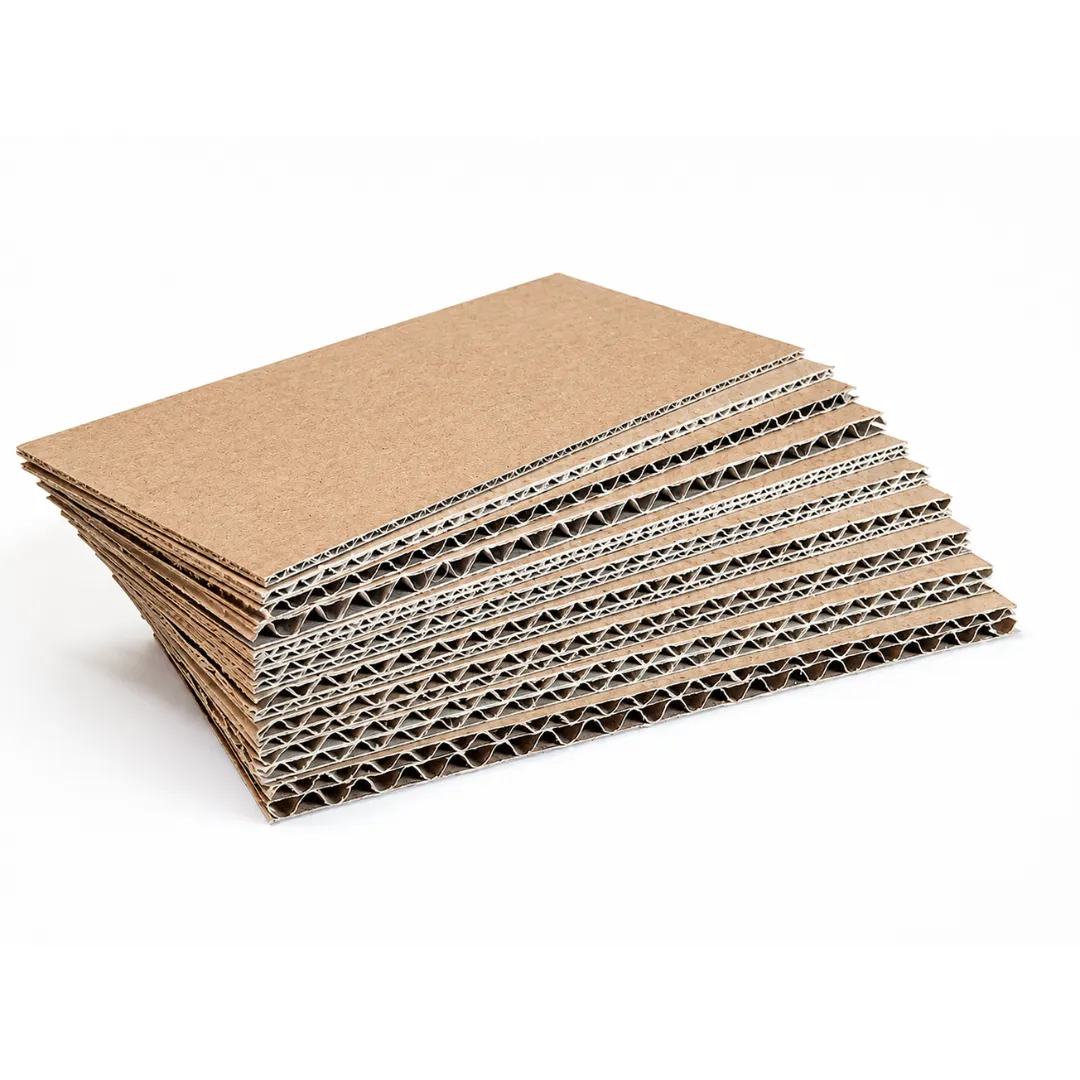
| Paper Stock | 10pt to 28pt (60lb to 400lb) Eco-Friendly Kraft, E-flute Corrugated, Bux Board, Cardstock |
| Printing | No Printing, CMYK, CMYK + 1 PMS color, CMYK + 2 PMS colors |
| Finishing | Gloss Lamination, Matte Lamination, Gloss AQ, Gloss UV, Matte UV, Spot UV, Embossing, Foiling |
| Included Options | Die Cutting, Gluing, Scored, Perforation |
| Additional Options | Eco-Friendly, Recycled Boxes, Biodegradable |
| Proof | Flat View, 3D Mock-up, Physical Sampling (On request) |
| Turnaround | 4 – 8 Business Days, RUSH |
| Shipping | FLAT |
Custom chip bags need to protect crunch, flavor, texture, oil freshness, aroma, and shelf appeal. A chip bag is not just a printed pouch with a logo on it. It has to protect fragile snacks from moisture, air exposure, grease transfer, crushing, weak seals, and poor shelf presentation. When chips arrive stale, broken, oily, or poorly packed, the customer remembers the packaging before they remember the flavor.
Prime Custom Packaging creates custom chip bags for snack brands, potato chip companies, tortilla chip sellers, cafés, bakeries, food kit brands, event planners, private-label sellers, school snack suppliers, ecommerce food stores, grocery brands, and wholesale distributors. We help with bag size, barrier direction, film structure, heat seal planning, artwork layout, flavor panels, nutrition areas, barcode space, display cartons, multipack boxes, and shipping cartons.
A 1 oz chip bag for event favors does not need the same structure as a 4 oz chip bag for café sales, a 7 oz chip bag for retail shelves, or a 9 oz chip bag for family-size snack programs. Individual bags of potato chips, individual tortilla chip bags, personalized potato chip bags, bulk potato chip bags, and custom potato chip bags wholesale all need different planning for size, film, print, headspace, and case packing.
Call +1 (855) 611-8876 or email sales@primecustompackaging.com to request a quote for your custom snack packaging project.
The best custom chip bags are designed around the snack first. Potato chips, tortilla chips, kettle chips, corn chips, pita chips, veggie chips, and plantain chips all fill space differently. Thin chips can break easily. Tortilla chips can have sharp edges. Kettle chips may feel heavier. Seasoned chips can leave powder inside the bag. Oily snacks may need stronger material planning.
The bag should protect the chip’s texture before it promotes the artwork. The right structure considers fill weight, chip thickness, flavor coating, oil level, headspace, seal width, shelf-life goal, storage conditions, and shipping method. A beautiful bag that does not protect the snack is not ready for retail, wholesale, or ecommerce.
Potato chips in a bag need space, but not waste. Too little room can crush the product. Too much room can make the bag look underfilled. The right balance comes from measuring real product volume, not guessing from another brand’s bag.
Buyers often search for chip bag size chart oz because they want to understand which size works for their product. Ounce count is useful, but it does not tell the full story. Chips are light, irregular, and fragile, so the final potato chip bag dimensions must account for headspace and product shape.
| Bag Size or Fill Direction | Common Use | Packaging Direction |
| 1 oz chip bag | Party favors, school snacks, samples, kids’ meals | Small flat bag or pillow-style package with clear flavor identity |
| 2 oz to 3 oz bag | Lunch packs, vending, hotel snacks, individual tortilla chip bags | Compact bag with strong seal and readable label space |
| 4 oz chip bag | Café snacks, small retail packs, food kit sides | Mid-size bag with strong front-panel branding |
| 5 oz to 6 oz bag | Specialty chips, kettle chips, private-label snack brands | Retail pouch direction with flavor-focused artwork |
| 7 oz chip bag | Grocery shelves, premium snack lines, family snacks | Larger printed panel with shelf-ready flavor system |
| 8 oz bag | Retail bundles, food programs, snack kits | Stronger case-pack planning and barcode space |
| 9 oz chip bag | Family-size potato chips or tortilla chips | Larger structure with headspace and crush-aware carton support |
| 10 oz and larger | Party-size, food service, wholesale, bulk retail | Reinforced film direction, seal planning, and master cartons |
| Personalized chips | Birthdays, weddings, schools, corporate promotions | Custom printed message area with product clarity |
| Bulk potato chip bags | Distributors, grocery programs, repeat production | Consistent dimensions, SKU control, and carton planning |
A 9 oz bag of chips size may look larger than many other 9 oz food packages because chips need air space. The final size depends on chip type, bag style, film structure, gusset depth, seal width, and carton count.
Chip bags often work inside a larger food packaging system. A snack brand may sell variety packs, meal kits, lunch boxes, subscription snack bundles, retail samplers, or ecommerce food packages. In those cases, the flexible chip bag protects the snack, while the outer food box organizes the full order.
For multipack and food kit packaging, custom food boxes can support snack sets, food bundles, retail food packaging, and delivery-ready meal packaging.
This link fits because custom chip bags are often paired with boxes for shipping, display, and bundle presentation. A chip bag handles freshness, while the outer box handles organization and protection during distribution.
Chip bags are usually made from flexible packaging films rather than ordinary paper. Many chips bag structures use multilayer materials that may include PET, PE, BOPP direction, metallized film direction, foil laminate direction, or other barrier films depending on product needs. These layers help protect the snack from oxygen, moisture, aroma loss, light exposure, grease transfer, and handling stress.
The outer layer supports printing and branding. The barrier layer helps protect crispness and flavor. The inner layer supports sealing and product contact. The final material depends on snack type, oil level, shelf-life goal, storage conditions, filling method, and retail or wholesale route.
The FDA explains that food-contact packaging can include materials and substances used in packaging surfaces, including coatings, adhesives, and colorants. For custom potato chip bags, films, inks, coatings, and sealing layers should match the intended food use and storage conditions. FDA food-contact packaging guidance
A professional chip bag should be planned through material and performance before artwork. The print should look strong, but the package must first protect the snack from air, moisture, oil transfer, punctures, weak seams, and crushing.
| Specification | Available Direction | Why It Matters for Chip Bags |
| Bag material | PET, PE, BOPP direction, metallized film direction, foil laminate direction, multilayer film options | Supports strength, print quality, and barrier performance |
| Barrier level | Oxygen barrier, moisture barrier, aroma barrier, light barrier | Helps protect crunch, flavor, and freshness |
| Seal type | Heat seal, fin seal, back seal, side seal, bottom seal, reinforced seal direction | Helps reduce air exposure and seal failure |
| Bag style | Pillow bag, flat pouch, stand-up pouch, gusseted bag, rollstock direction, sample bag | Fits snack type, fill weight, and filling process |
| Opening feature | Tear notch, easy-open direction, resealable zipper where suitable | Improves customer convenience |
| Size range | 1 oz, 4 oz, 7 oz, 9 oz, family-size, party-size, wholesale, custom dimensions | Matches serving size and sales channel |
| Printing | Full-color printing, CMYK, PMS matching, matte, gloss, metallic direction | Builds brand and flavor recognition |
| Retail panel | Nutrition facts, ingredients, barcode, net weight, flavor name, date code area | Supports retail readiness |
| Finish | Matte, gloss, soft-touch direction, metallic finish, clear window where suitable | Controls shelf style and brand positioning |
| Secondary packaging | Display box, master carton, shipper, multipack box | Supports storage, shipping, and wholesale handling |
The correct specification depends on the chip formula, fill weight, seasoning, oil level, shelf-life goal, filling equipment, retail channel, and shipping route.
Cafés, delis, breakfast shops, and bakery cafés often sell chips beside bagels, sandwiches, breakfast boxes, and lunch combos. A small chip bag can become part of a meal set, especially when the customer needs a ready-to-go food option.
For breakfast and café packaging, custom bagel boxes can support bagels, breakfast packs, deli sets, and café food packaging.
This link fits because chip bags often support food-service orders as a side item. The bagel box protects the main food product, while the chip bag keeps the side snack fresh and easy to serve.
The question “what are the colored dots on chip bags” usually refers to small print control or registration marks used during packaging production. They are not usually flavor codes, freshness indicators, or ingredient markers. They are connected to print consistency and color control.
For snack brands, this matters because chip packaging often uses a flavor color system. Barbecue, sour cream, cheddar, jalapeño, original, salt and vinegar, ranch, spicy, and tortilla varieties should remain visually consistent across different production runs. If the same flavor color shifts from one run to another, the product can look less professional on retail shelves.
Prime Custom Packaging can help plan CMYK printing, PMS matching, flavor panels, barcode areas, and front-panel hierarchy so customized chip bags look clean and consistent.
Individual bags of potato chips are useful for schools, cafés, vending, hotels, corporate lunches, kids’ meals, food trucks, catering programs, event favors, and meal bundles. They need compact sizing, clear flavor identity, durable seals, and enough panel space for product information.
A 1 oz chip bag works well for party favors, small snacks, and samples. A 2 oz or 3 oz bag can support vending and lunch programs. A 4 oz chip bag can work for café sides, small retail packs, and specialty snack sales. Individual tortilla chip bags may need more internal volume because tortilla chips are often larger and more angular than thin potato chips.
Personalized chip bags should still feel like snack packaging, not only event decoration. The design can include names, dates, colors, photos, or logos, but the flavor and product identity should remain easy to read.
Snack brands and cafés sometimes pair chips with waffles, desserts, breakfast items, or sweet snack boxes. Food kits that combine sweet and salty products need separate packaging structures because chips, waffles, and baked items have different texture and protection needs.
For breakfast, dessert, and café packaging, custom waffle boxes can support waffles, café items, dessert boxes, and branded breakfast packaging.
This link fits because custom chip bags can be part of a wider café or food kit packaging program. The chip bag protects the crisp snack, while the waffle box protects a soft or baked product that needs a different structure.
There is no single answer because chip bags come in many serving sizes. A small individual snack bag may hold around 1 oz. Lunch and vending bags may hold 2 oz to 3 oz. Retail bags may include 4 oz, 7 oz, 9 oz, and larger family-size formats. Bulk and food-service sizes can go higher.
Ounce count should always be matched with product volume. Chips are light and need space to prevent crushing, so the bag may look larger than another package with the same net weight. The right size should consider bag width, height, gusset, headspace, chip thickness, and case-pack direction.
Potato chip bag dimensions should be based on the actual snack. Thin potato chips, kettle chips, tortilla chips, corn chips, veggie chips, and plantain chips do not fill space the same way. A bag that works for one product may look too tight or too empty for another.
Headspace helps protect chips from breakage. Too little space can crush the snack. Too much space can make the bag look underfilled. A strong size plan balances product volume, fill weight, air space, bag height, bag width, gusset depth, seal width, and shipping carton count.
This is especially important for 7 oz chip bags, 9 oz chip bags, and custom chip bags wholesale because larger bags must stay presentable through retail handling, case packing, and distribution.
Bakeries, cafés, and food brands often sell chips with cookies, brownies, pastries, muffins, waffles, sandwiches, and party trays. In these programs, chip bags may be used as the crunchy side while bakery packaging protects the sweet or baked item.
For dessert and baked food packaging, bakery boxes can support cookies, pastries, cakes, brownies, and café food bundles.
This link fits because snack packaging often works as one part of a larger food packaging system. The custom chip bag protects the crisp product, while the bakery box protects baked goods that need structure, presentation, and product separation.
“Microwave chip bag” is a search term, but standard chip bags should not be treated as microwave-safe packaging. Many snack bags use metallized or foil-like barrier layers, inks, adhesives, coatings, and seal materials that are not designed for microwave heating.
If a brand needs microwave-ready snack packaging, that requires a separate material review and supplier confirmation. A standard potato chips bag should not be marketed as microwave-safe unless the selected material and documentation clearly support that use.
This is important because packaging claims should match real use. A package designed for shelf stability and crispness is not automatically safe for heating.
Personalized chip bags are popular for birthdays, weddings, baby showers, school events, graduations, sports teams, corporate events, trade shows, holiday promotions, and branded giveaways. They turn a simple snack into a custom favor while giving the brand or event a stronger visual presence.
The best personalized chip bags still keep the product clear. Names, dates, photos, colors, event themes, and logos can be included, but flavor identity and product details should not disappear. Personalized potato chip bags may be created as event-style decorative packaging or as true food-filled snack packaging depending on the use case.
For events, a 1 oz chip bag may work well for table favors. For corporate snack kits or food bundles, a larger bag may create better perceived value.
Custom chip bags wholesale projects need consistency across size, print, material, flavor, barcode, case count, and repeat production. A one-time event order may focus on personalization, but a wholesale snack program needs a stronger system for SKUs, nutrition panels, flavor colors, carton labels, and distributor handling.
If a snack brand sells multiple flavors, each flavor may need its own color direction, barcode, nutrition panel, date code area, and case label. If the product is sold in multipacks, the outer carton or food box should be planned with the bag count.
Wholesale chip packaging works best when the flexible bag and the secondary carton are planned together. The bag protects freshness. The carton protects the bags from crushing during storage, shipping, and retail handling.
A chips bag has only a few seconds to communicate on a shelf or in a food kit. The customer should quickly understand the brand, snack type, flavor, and net weight. The front panel should look appealing without becoming crowded.
A strong chip bag layout uses the main panel for logo, product name, flavor, snack type, net weight, and product imagery or illustration. The back or side area can support nutrition facts, ingredients, barcode, manufacturer details, date code space, QR code, and supported claims.
Flavor consistency matters. Original, barbecue, sour cream, cheddar, jalapeño, ranch, spicy, salt and vinegar, and tortilla flavors should each be easy to recognize while still belonging to the same brand family.
Many brands want recyclable, compostable, reduced-plastic, or eco-friendly snack packaging. These claims should be written carefully because many flexible chip bags use multilayer films that may not be accepted in standard curbside recycling programs.
The FTC Green Guides help businesses avoid misleading environmental claims, including recyclable, recycled, compostable, and broad eco-friendly packaging language. FTC Green Guides for environmental claims
Prime Custom Packaging can discuss right-sized packaging, recyclable-direction films where available, mono-material possibilities, secondary paperboard packaging, and reduced-material planning. Final environmental claims should match the selected material, supplier documentation, and local recovery access.
Potato chips in a bag can crush when the outer carton is weak, overfilled, or packed with heavier items. A good flexible bag protects freshness, but it cannot protect chips from heavy stacking pressure if the carton fails.
USPS package preparation guidance explains that shippers should choose and prepare packaging properly before sending packages. For fragile snack products, the outer carton, bag count, void space, stacking direction, and handling route should be planned around the product. USPS package preparation guidance
For ecommerce, cafés, food kits, and wholesale programs, brands should test how the chip bags sit inside the carton. A light snack can still arrive damaged when packed under jars, bottles, cans, or heavier food products.
Before ordering bulk potato chip bags, test the package with the real snack. Fill the bag with the actual product, seasoning, oil level, and intended weight. Seal it with the planned method and check whether the seam holds, the bag feels too tight, the bag looks underfilled, or the product crushes too easily.
The outer carton should be tested at the same time. Pack the planned number of bags inside, stack the carton, move it, and open it again to check for crushed chips, bent bags, weak corners, and poor presentation. A digital proof confirms artwork, but a filled bag test confirms whether the packaging works.
This step is important for private-label snack launches, wholesale chip programs, event packaging, multiple flavors, and ecommerce food bundles.
Many food brands start with plain bags or sticker labels. That can help with early testing, but it may not look strong enough for retail shelves, wholesale buyers, or ecommerce food programs. A snack can taste excellent and still feel unfinished if the packaging looks temporary.
A better packaging system uses custom printed chip bags with the right film structure, bag size, seal style, flavor colors, nutrition area, barcode space, and matching outer cartons. The brand can then create 1 oz sample bags, 4 oz retail bags, 7 oz grocery bags, 9 oz family-size bags, personalized chip bags, individual tortilla chip bags, and bulk potato chip bags under one visual system.
The snack may stay the same, but the packaging makes it look more professional, more organized, and more ready for repeat orders.
Prime Custom Packaging supports snack startups, potato chip brands, tortilla chip companies, private-label sellers, cafés, bakeries, food kit brands, event planners, school snack suppliers, ecommerce food brands, grocery programs, and wholesale distributors.
You can order custom chip bags, personalized chip bags, custom potato chip bags, individual bags of potato chips, individual tortilla chip bags, 1 oz chip bags, 4 oz chip bags, 7 oz chip bags, 9 oz chip bags, family-size snack bags, event chip bags, and custom chip bags wholesale. Options can include barrier films, custom printing, tear notches, gussets, metallic finishes, flavor panels, nutrition areas, barcode space, display boxes, master cartons, and shipping cartons.
Share your snack type, fill weight, bag size, artwork, quantity, flavor count, barrier needs, and deadline. Prime Custom Packaging can recommend a practical direction for material, structure, print, and production.
Call +1 (855) 611-8876 or email sales@primecustompackaging.com to request a quote.
Prime Custom Packaging creates custom food and snack packaging for brands that need stronger product protection, better shelf appeal, and packaging that matches real selling channels. We help with chip bag sizes, film selection, barrier direction, seal planning, flavor panels, custom printing, nutrition layout, barcode space, display boxes, multipack cartons, and wholesale case-pack support.
Whether you need custom chip bags, chip bags custom printed, customized chip bags, custom potato chip bags, personalized chip bags, personalized potato chip bags, or custom chip bags wholesale, Prime Custom Packaging can help you build packaging that protects the snack and improves presentation.
Call +1 (855) 611-8876 to start your custom chip bag packaging project.